

Threshold Moments in Istanbul
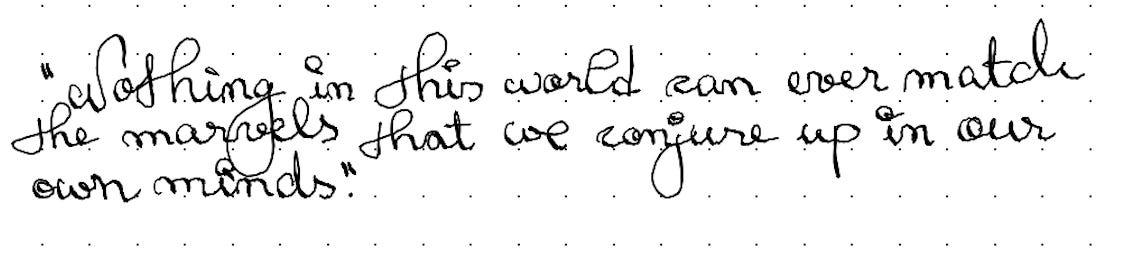
“Nothing in this world can ever match the marvels that we conjure up in our own minds.” - Sabahattin Ali

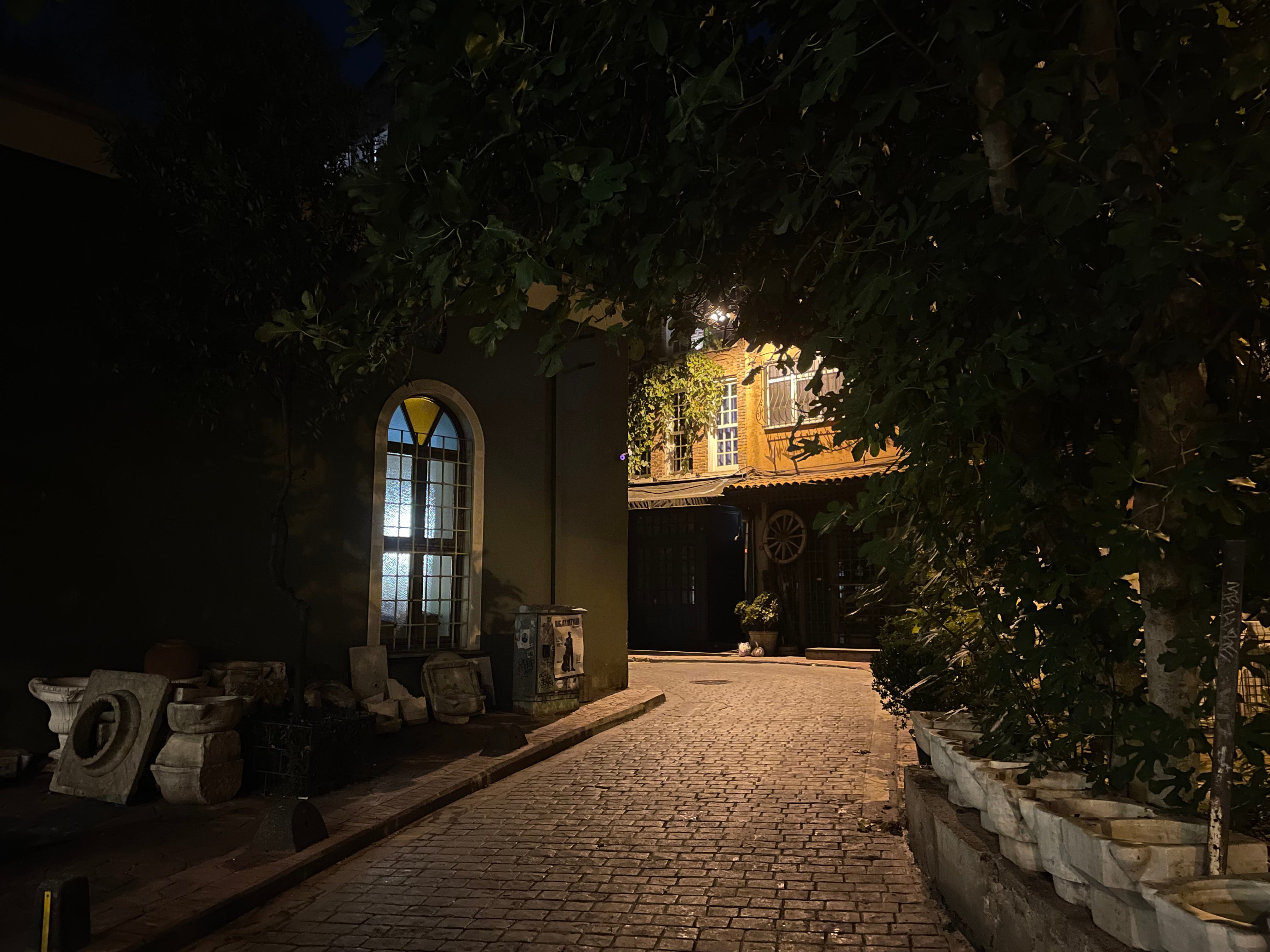

For a long time, Istanbul has been “The City” for me, and I think it still is. I was reminded of that somewhere on Oba Street on a late morning, when I was exchanging a few words with the young Turkish man who was preparing us the “New York–style” bagels. He told us, smilingly, that Istanbul feels like the capital of the world for him, and his honest smile made me forget the previous four days in which I had struggled to find my rhythm.
The modern name İstanbul derives from the Medieval Greek phrase εἰς τὴν πόλιν (eis tḕn Pólin), literally “to the city” or “into the city,” reflecting how Greek speakers casually referred to Constantinople as “The City.” Even after all these centuries, Istanbul is still “The City” for many travelers, myself included, who keep coming back again and again.
It’s my fourth time returning to this city in the past ten years, and the moment I arrived I was hit by a wave of familiarity and chaos. I had forgotten how hectic this city was; in my mind, it had remained one of the most serene places I’ve visited, but I must have mistaken that for its ability to eventually quiet my mind, as long as I managed to succumb to its rhythm.
It took me four days out of our seven-day trip to finally merge the city’s pace with my own. Those four days were spent with a pervasive sense of sadness, reflecting on Istanbul’s skyrocketing prices and Turkey’s inflation, the overwhelming pressure as a visitor to choose the next place to visit, and the constant comparison with how “things once were” seven years ago, on my last visit.
I think I finally surrendered to the city’s rhythm somewhere on Oba Street, when I set my eyes on Sabahattin Ali’s Madonna in a Fur Coat. After that, everything came with the ease and rooted satisfaction that I fondly associate with this city. I call this moment in any trip I make a “threshold moment”: crossing an uncomfortable boundary from mere outer observation to inner participation. For me, these threshold moments are usually marked by encounters with certain books or vivid signs scattered across the city.
Walter Benjamin names these particular moments “Schockerlebnis”, small or big jolts, shock experiences that sit between Erlebnis and Erfahrung. Erlebnis is the immediate lived experience (fleeting, sensory, surface-level), while Erfahrung is deep experience (cumulative, reflective, carrying memory). If the city had been, before that, a bombardment of stimuli, then after my encounter with Madonna in a Fur Coat, I could finally merge my imagination with the city’s hidden layers, and everything felt, finally, effortlessly in sync.
One particular sentence from the book reminded me why even our most beloved places can, at times, feel shallow:
“Nothing in this world can ever match the marvels that we conjure up in our own minds.”
There it was, a truth I kept forgetting, and without that threshold moment, Istanbul wouldn’t have revealed itself to me.
Looking back, visiting a place becomes a more immersive experience, an Erfahrung, if I manage to cross such a threshold moment, if I seek and tend to those big or small ruptures. During my first visit to New York last year, I came across Vivian Gornick’s The Odd Woman and the City, which transformed my agitated, overwhelming visit into a revelatory memory.
“Nothing in this world can ever match the marvels that we conjure up in our own minds.”
This single sentence reminded me why Istanbul has been such a precious place to return to all these years: some places have the power to stir parts of our imagination that lie dormant, and once they awaken, we shift from seeing without seeing to seeing with everything we’ve got.
Thank you for reading.
I’ve been writing less and less here, mostly because Substack doesn’t feel like the medium I most want to express myself in anymore, maybe it’s just a phase. For the time being, I’ll be sending these protected posts only to friends, paying subscribers, founding members, and specific readers I’ve comped, because I’d like to keep a smaller audience until I find my rhythm again or decide on a medium that feels right.
If you’ve read this far (or even if you just skimmed through), I want to sincerely thank you for your support, your time, and your kind messages, they always mean a lot.
Patricia
Here’s to threshold moments, and to “seeing with everything we’ve got.”